The Invisible Violence of the Plazas: Traumatic Labor and Moderation Work in the Digital Age
"Mental Assembly Lines," Precarity, and the Rebirth of the Collective Working Class in Turkey's White-Collar Ecosystem
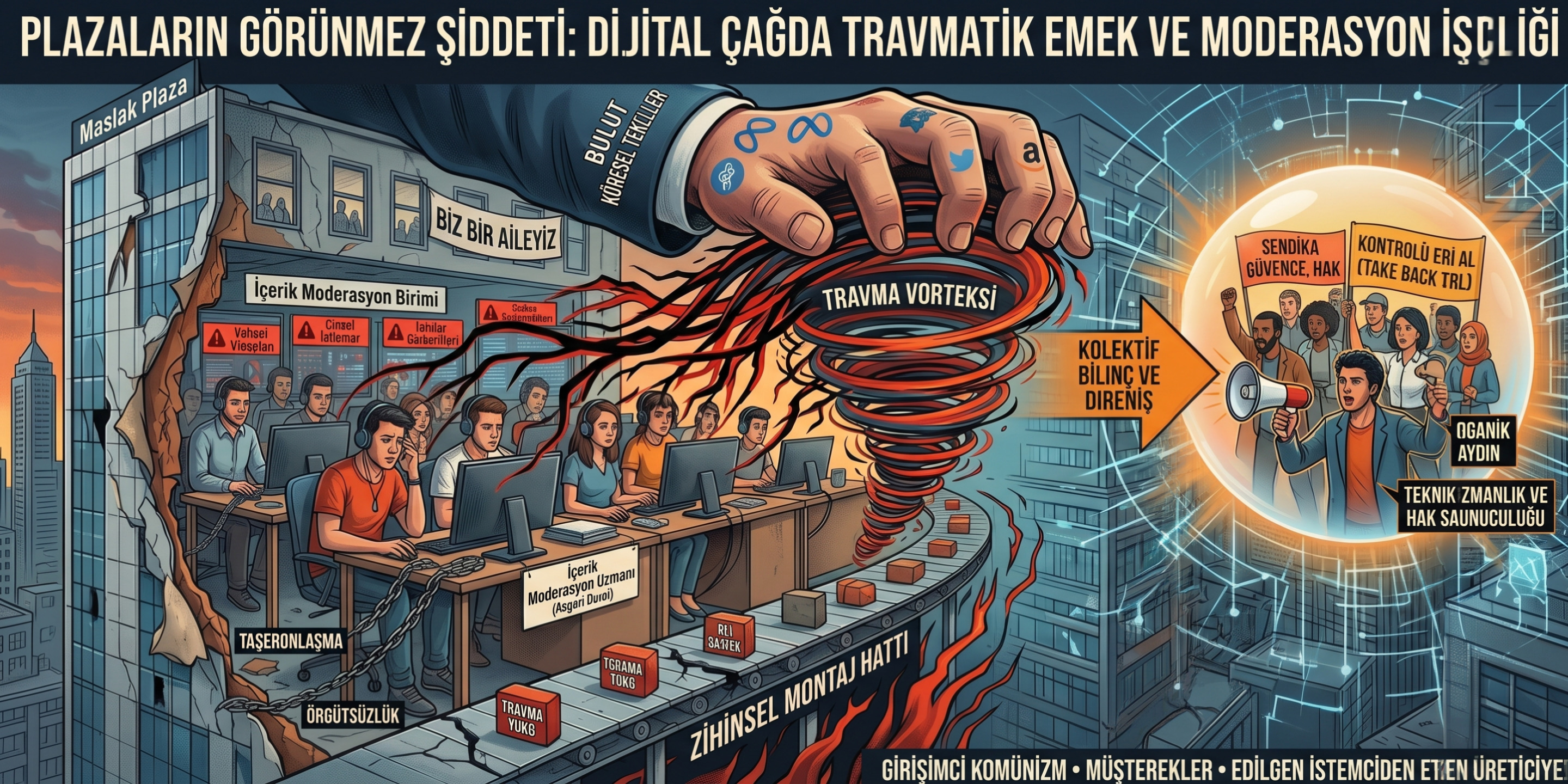
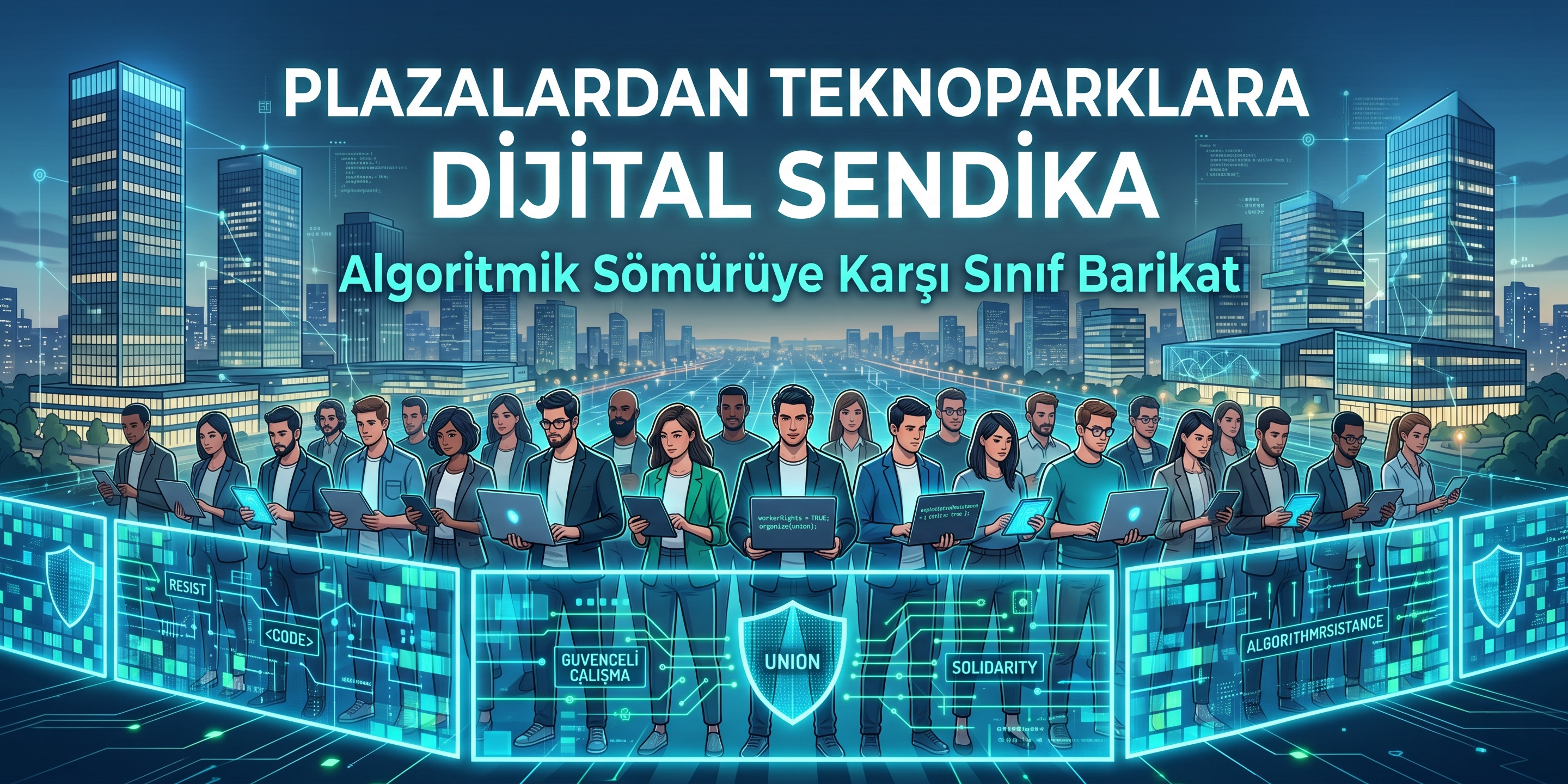
The glittering plazas of modern digital capitalism, their "we are a family" mottos and ergonomic office chairs, conceal behind them the most refined and most invisible forms of exploitation and violence. In the "social factory" order, in which the relations of production have left the factories and spread across all of social life, white-collar workers, though they imagine themselves to be free "intellectual experts," are rapidly being proletarianized among the system's invisible gears. One of the heaviest, most psychologically destructive, yet least discussed domains of this web of exploitation is "traumatic labor" and digital content moderation.
Turkey's white-collar ecosystem has, especially in recent years, become the subcontracted service provider for global tech companies and domestic digital platforms. In this ecosystem, it is necessary to expose—through the dynamics of plaza and subcontracted work in Turkey—the invisible violence hidden behind flashy titles such as "Content Moderation Specialist," "Safety and Community Analyst," or "Safe Internet Navigator."
The White-Collar Illusion and Title Inflation
In Turkey, the IT and digital-service sector has developed in a manner that is service-, outsourced-software-, and sales-oriented rather than production-heavy. This externally dependent structure has led domestic white-collar workers to become the back-office laborers of the global monopolies (Meta, TikTok, YouTube, Amazon) or of the large domestic e-commerce and social platforms (Trendyol, Ekşi Sözlük, Sahibinden, etc.).
In the sector's early stage of development, the workers' illusion of perceiving themselves as a "privileged class" was, over time, shaken by harsh flexible working conditions and precarity. To conceal this class descent and the routine, stressful, and low-paid nature of the work, capital resorts to title inflation.
- In the Maslak or Levent plazas of İstanbul, flashy titles such as "Chief," "Operations Manager," or "Security Analyst" are handed out to young employees who have no team to manage and no managerial initiative whatsoever.
- In reality, the work these employees do consists of routine mental processes broken into pieces according to Taylorist (scientific management) principles, measured in seconds, and subject to intense surveillance.
Electronic Sweatshops in the Plazas and Content Moderation
The domain where invisible violence is most intensely experienced is content moderation, which keeps the internet "clean and safe." The global platforms (Meta, TikTok, etc.) are obliged to clean up the images of violence, child abuse, torture, suicide, and execution uploaded by users. This "cleaning" work, in order to avoid the high labor costs in developed countries, is handed over to subcontracted call centers and BPO (Business Process Outsourcing) firms in cheap-labor markets such as Turkey, Kenya, or India.
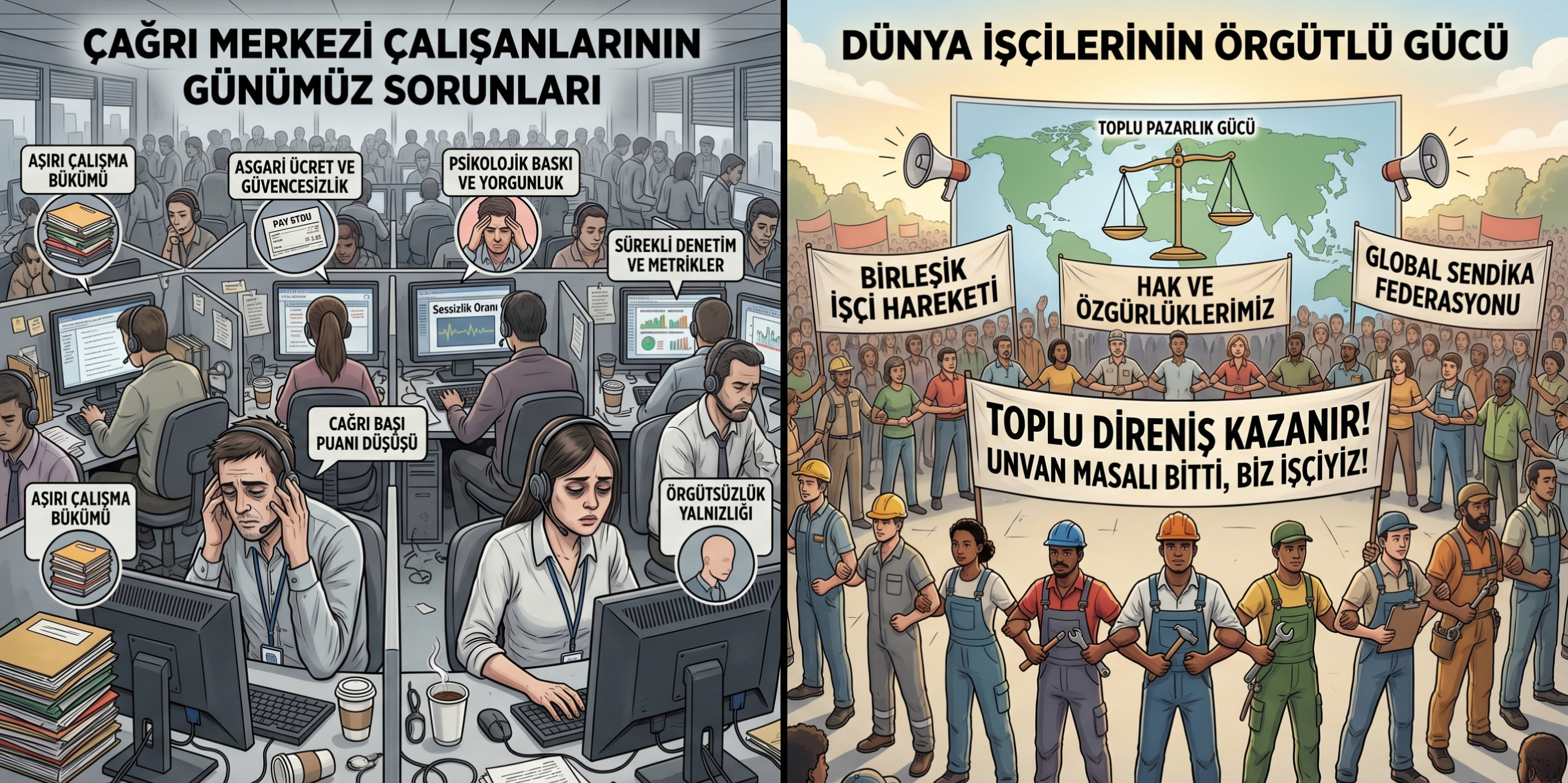
In the "electronic sweatshops" of İstanbul, İzmir, or Ankara (digital workspaces dominated by extreme exploitation), thousands of young moderators who put on their headsets and sit before a screen are left alone, for 8–10 hours a day, with the darkest aspects of humanity.
- A moderator must classify, delete, or approve—according to the platform's legal rules—beheading videos, sexual-abuse content, or images of suicide that flow past on the screen before them within seconds.
- In this process the worker's initiative to "be creative" or "solve problems" is entirely eliminated; the worker is turned into an "obedient robot" that obeys only the standard texts, rules, and algorithms on the screen.
"Mental Assembly Lines" and Psychological Damage
This form of work is the conveyor-belt system of the traditional factory built into the mind. In call centers and at moderation desks, the "Mental Assembly Line" runs like clockwork. The worker's performance is monitored in real time through quantitative indicators (KPIs) measured in seconds: AHT (Average Handling Time), accuracy percentage.
This never-ending pressure and the traumatic content faced every day give rise to irreparable psychosocial risks in workers.
- Loss of the Capacity to Think: Due to extreme workload, constant reporting, and the expectation of instant response, workers are forced to speed up so much that they have "no time left to think." Research shows that workers under this intense tempo feel their capacity for original and creative thinking weakening.
- Severe Psychological Damage: Young moderators in Turkey who watch inhuman images for hours are left alone with serious health problems such as severe depression, panic attacks, sleep disorders, and post-traumatic stress disorder (PTSD).
- The Tyranny of Flexibility: Smartphones and remote-work technologies (Slack, Teams, WhatsApp) have determined the time and place of work entirely according to the needs of capital. With the erasure of the boundaries between home and work, the moderator must be ready for work 24/7; this causes the trauma to spill over into the "leisure time" at home as well.
Structural Invisibility: Subcontracting and Disorganization
The invisibility of these workers and the trauma they experience is not a coincidence but a conscious political choice. To sustain this invisibility and to break workers' solidarity, capital uses the mechanism of subcontracting as a structural tool.
The absence of a clear sectoral definition for IT workers and digital laborers in Turkey's trade-union legislation leaves these workers without an address. Because of subcontracting, workplaces are divided into small subcontractor firms. The number of workers laboring uninsured, on a project basis, or as subcontractors in different small offices or in their homes (remote) cannot reach the threshold numbers that are the legal condition for organizing. Consequently, workers cannot come together and carry out union processes—not only de facto, but legally as well.
In this disorganized environment, when a moderator can no longer endure the trauma and leaves the job, capital can easily substitute a new graduate from the vast "global/local reserve army of labor" waiting in the wings. Because the worker's expertise and experience are devalued, they are seen as disposable cost items.
Conclusion and a Call to the Organic Intellectual
The process of content moderation and traumatic labor experienced in Turkey's white-collar ecosystem is one of the most savage manifestations in the digital age of Marx's analyses of surplus value and alienation. The picture that emerges is the bitter collapse of the promise of neoliberalism and digital platforms to deliver "a technologically freer world."
The way to break this invisible violence runs through IT workers and moderators abandoning the myth of the "privileged expert" that separates them from the rest of the class. Grasping the reality of shared precarity and of "becoming a worker" must unite the blue-collar assembly worker and the white-collar digital moderator around the concept of the "collective laborer."
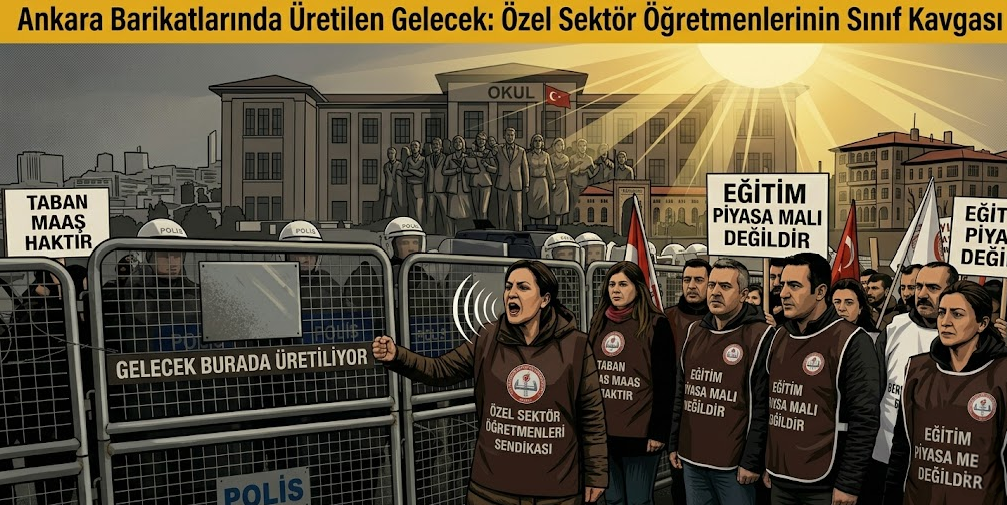
It is imperative that unions and professional organizations broaden their narrow visions, shaped according to the Fordist factory order, and develop a new language of organizing and horizontal solidarity networks to encompass these fragmented and remote-working masses. Technical experts and rights advocates who will assume the role of the "organic intellectual" in Gramsci's sense must intervene in the capital-oriented design of technology and algorithms ("Take Back CTRL") and carry the voice of workers under digital exploitation into the public sphere.
Exposing this traumatic labor that has been rendered invisible is the first and most necessary step of a collective consciousness that will reverse the gears of digital domination.