
The Trial of Journalist Alican Uludağ: Press Freedom in the Grip of the Judiciary and Legal Paradoxes
The Trial of Journalist Alican Uludağ: The Release After 90 Days of Captivity and Press Freedom in the Grip of the Judiciary
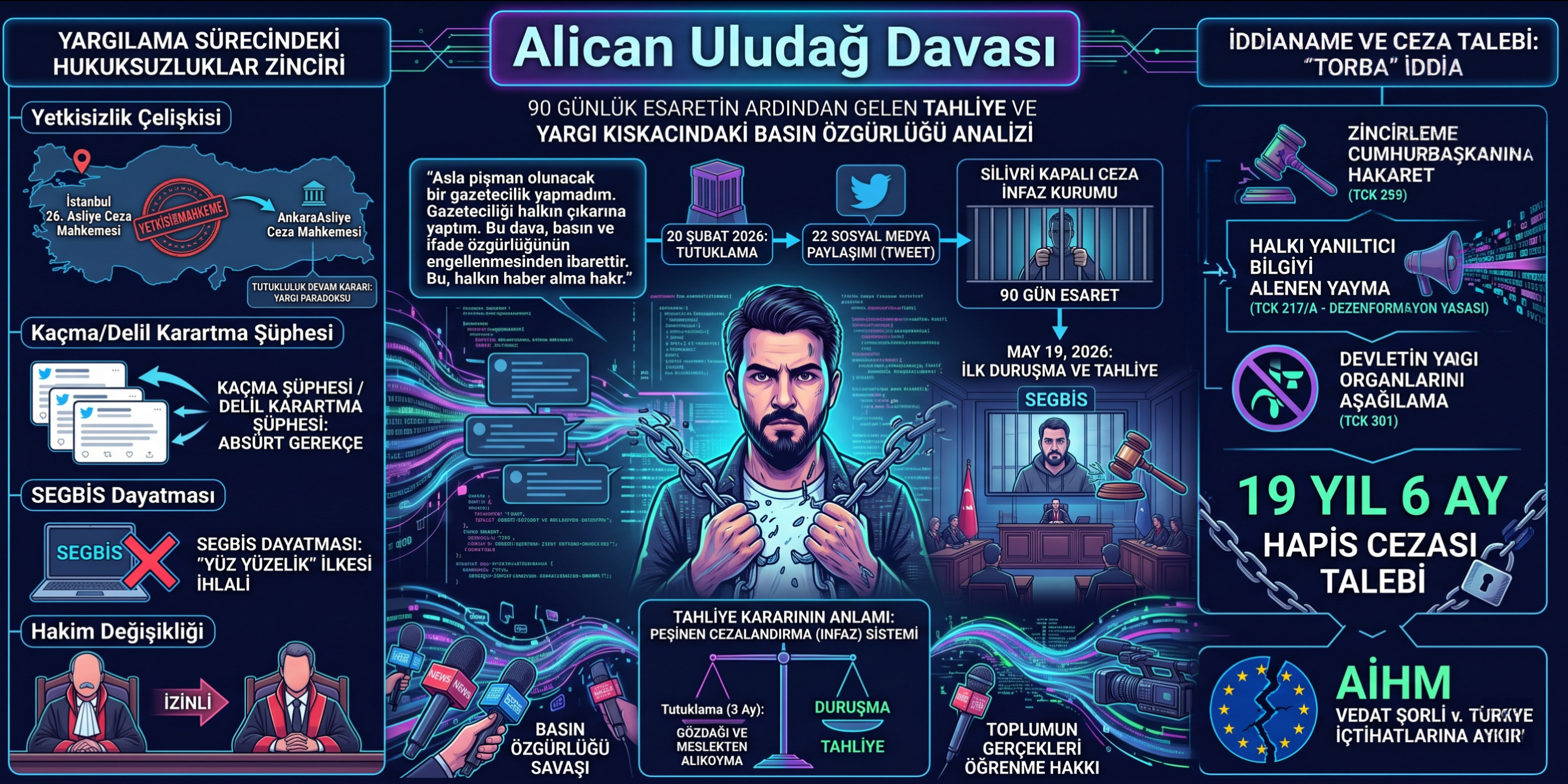
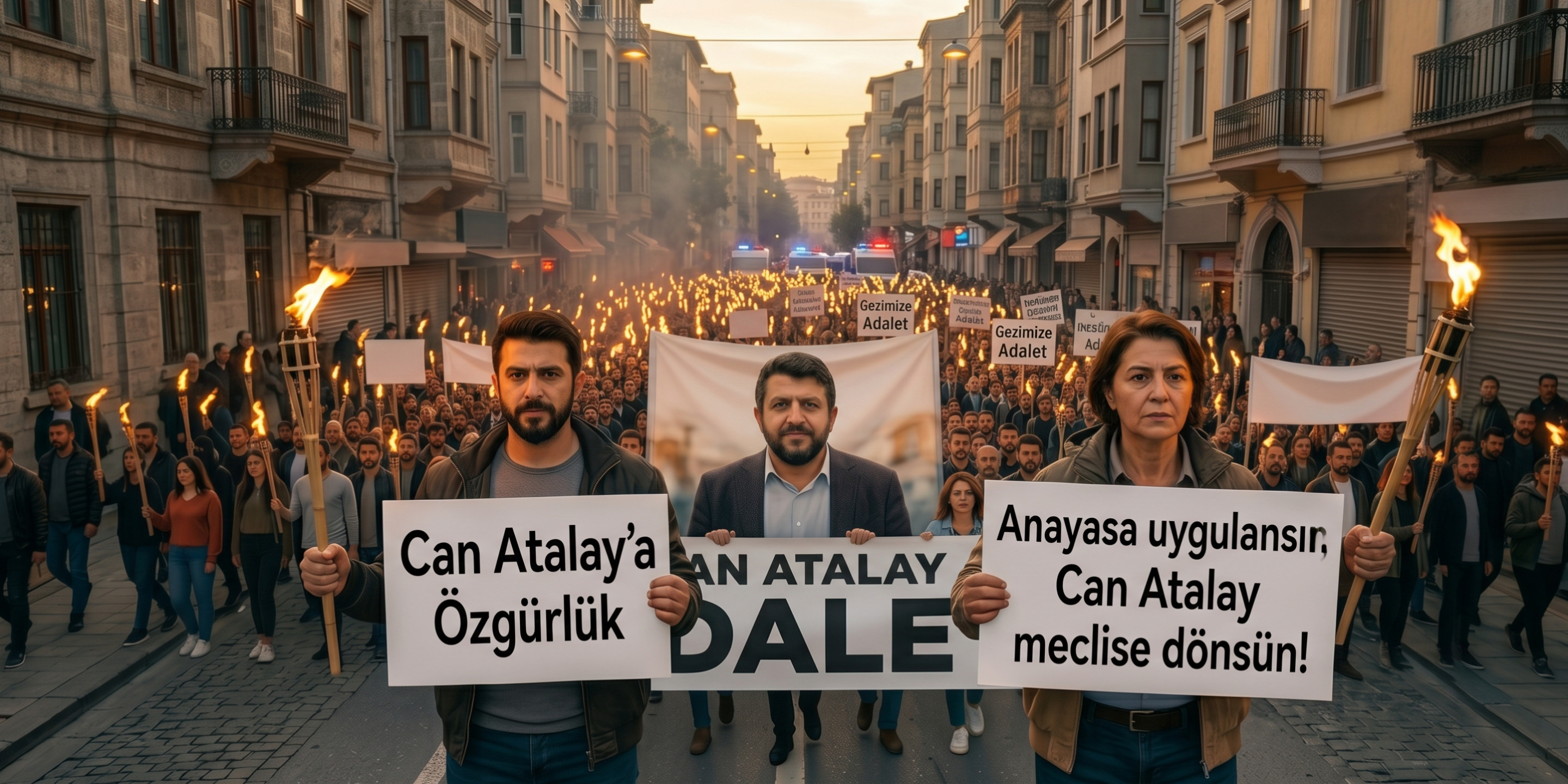
Alican Uludağ, a correspondent for DW Turkish who was arrested on February 20, 2026, on the grounds of his social media posts and his journalistic activities defending the public's right to information, finally appeared before a judge after a full 90 days (3 months) of unjust detention. At the first hearing held at the Ankara Court of First Instance for Criminal Matters, the panel of judges ruled for Uludağ's release.
Uludağ, an experienced judicial correspondent who connected to the hearing via SEGBİS (Audio and Video Information System) from Istanbul Silivri (Marmara) Prison where he was being held, summarized the essence of the trial he faced and the process he was subjected to with these historic words:
"I never practiced journalism that I would regret. I practiced journalism in the public interest. This trial is nothing but the obstruction of press and freedom of expression. This obstructs the public's right to information."
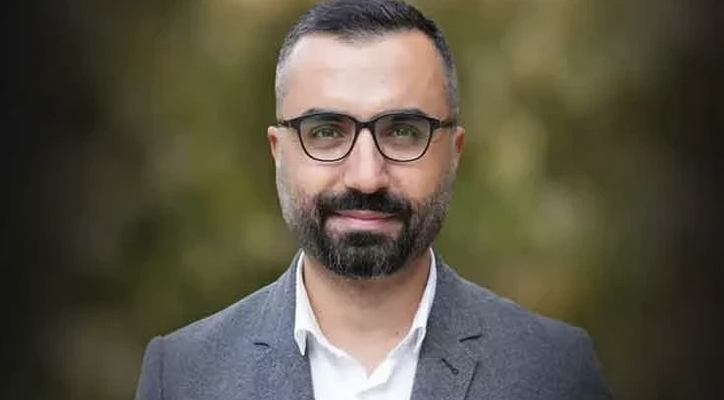
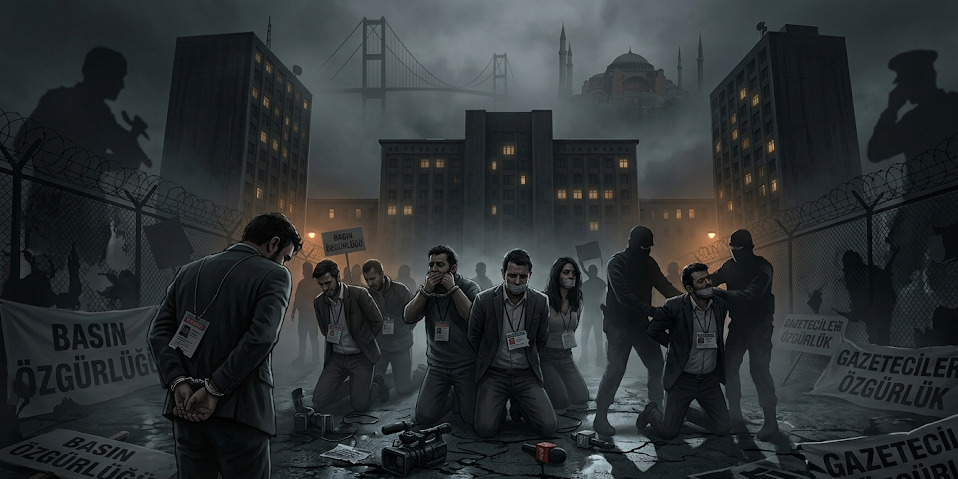
Although Alican Uludağ's regaining of his freedom was met with great joy in the press community, the chain of lawlessness in the trial's history and the practice of trying journalists by punishing them in advance once again laid bare the deep wounds of the justice system in Turkey.
The Backstory and the Charges in the Alican Uludağ Trial
The process leading to the arrest of Alican Uludağ—known for closely following irregularities in the corridors of the judiciary, dubious examinations, and critical trials—began when he announced to the public, via NOW TV and social media, the Court of Cassation's reversal ruling and the release decision regarding some defendants in the trial of the deadly ISIS attack at Atatürk Airport. Following these shocking reports that disturbed political circles, an ex officio investigation was launched with lightning speed.
The prosecutor's office turned a total of 22 social media posts by Uludağ, in which he criticized the merit problems in the judiciary, into a "catch-all" indictment. In the file, whose sole complainant was the President, a total of up to 19 years and 6 months in prison was sought for the journalist on charges of;
- "Repeatedly insulting the President in public" (TPC 299),
- "Publicly disseminating misleading information to the public" (TPC 217/A – Disinformation Law),
- "Publicly degrading the judicial organs of the state" (TPC 301).
The Grave Lawlessness Throughout the Process Leading to Release
Although Alican Uludağ was released at the first hearing, his being held in prison for 3 months was operated entirely as an extrajudicial punishment (enforcement) mechanism. Throughout the process, the following grievous procedural and substantive violations occurred:
- The Court That Said "I Lack Jurisdiction" Continuing the Detention: The Istanbul 26th Court of First Instance for Criminal Matters, which conducted the investigation, on the day it accepted the indictment, issued a ruling of "lack of jurisdiction" in the file on the grounds that the location of the crime and the journalist's residence were in Ankara. That a court which declared itself legally without jurisdiction nonetheless ruled the same day to continue Uludağ's detention and mailed the file to Ankara was a complete judicial paradox. A body lacking jurisdiction continuing the detention was a constitutional rights violation.
- The Absurd "Flight and Tampering with Evidence" Justification: Although Uludağ was taken into custody at his home in Ankara, it was recorded in the judicial files that he was "apprehended through law enforcement." In a file consisting of nothing but "tweets"—impossible to alter or destroy—his release requests were rejected for months on the grounds of "suspicion of tampering with evidence or pressuring witnesses." Yet there was not a single witness in the file who could be pressured.
- The SEGBİS Imposition and Surprises on the Day of the Hearing: The request by the defense (lawyers Akın Atalay, Tora Pekin, Abbas Yalçın, and Mustafa Köroğlu, Chair of the Ankara Bar Association) for Uludağ to be physically present in the courtroom and for the principle of "face-to-face hearing" to be applied was rejected. The journalist was forced to make his defense from Istanbul to the court in Ankara from behind a screen. Moreover, on the morning of the hearing, the sudden announcement of an excuse by the court's principal judge, who took leave, increased concerns about the trial's outcome. With the substitute judge who took the bench at the last moment, the hearing could only begin at 2:35 p.m.
The Meaning of the Release Decision at the First Hearing
At the hearing—where the defense was present in full, and where press professional organizations and the Ankara Bar Association lent support with official requests for participation—upon the 6-page comprehensive legal defense Uludağ presented and the proof of the meaninglessness of the charges, the court resisted no further and ruled for his release.
But does this release show that the trial was entirely lawful? Absolutely not. This is precisely the tactic applied in recent years against opposition and questioning journalists in Turkey: even though there is no concrete evidence and no suspicion of flight, the journalist is detained during the 3–4 month period until the first hearing, punished in advance, intimidated, and kept from their professional activities. Being released at the first hearing does not undo the ordeal endured and the injustice suffered; it only confirms that criminal prosecution is being used as a "weapon."
Conclusion
Alican Uludağ's regaining of his freedom once again reminded us of the truth—as the European Court of Human Rights (ECtHR) also stated in its Vedat Şorli v. Turkey ruling—that articles such as insulting the President (TPC 299) cannot be used as a shield to silence individuals.
Journalism is the activity of holding the powerful to account on behalf of the public. Although Uludağ's release is a positive step for justice, the media being able to breathe entirely freely in Turkey will only be possible with the establishment of a system in which journalists are never arrested over the articles they write or the tweets they post, and in which the judicial organs are not politicized. As Alican Uludağ cried out at the hearing:
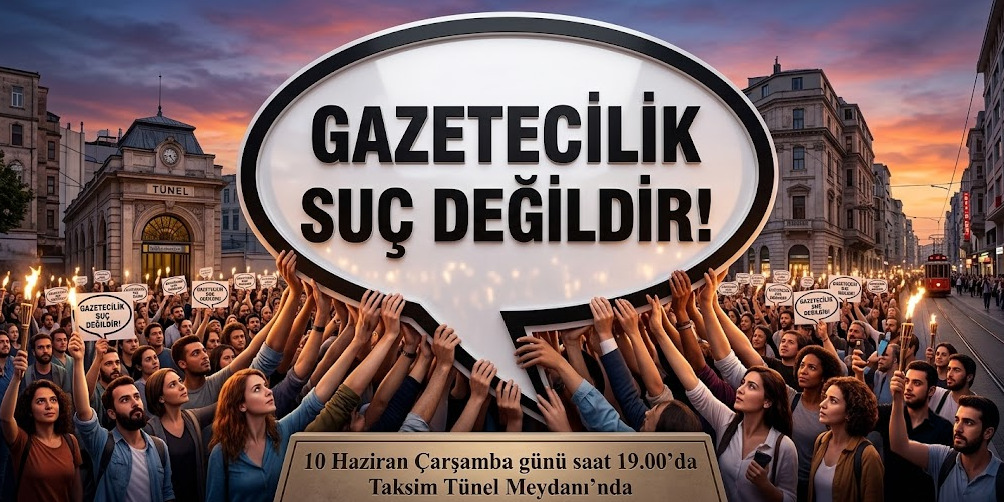
Journalism is not a crime, and society's right to learn the truth can never be broken.