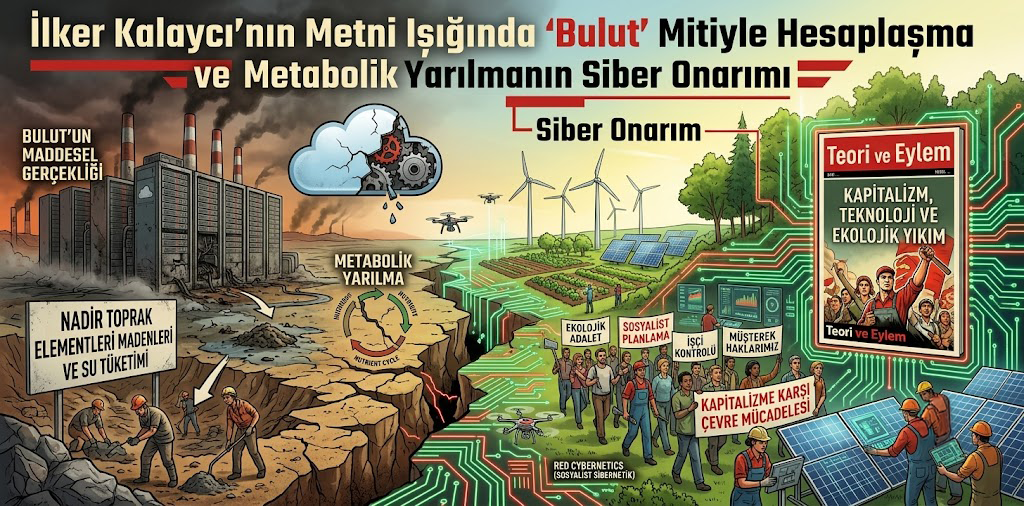

The Brotherhood of the Cosmos and the Red Dawn: The Human of the Future in the Footsteps of Nâzım Hikmet
From the Darkness of Capitalism to the Conquest of the Stars: For Tomorrows Without Exploitation and Without Borders, on the 63rd Anniversary of the Great Revolutionary Poet's Death
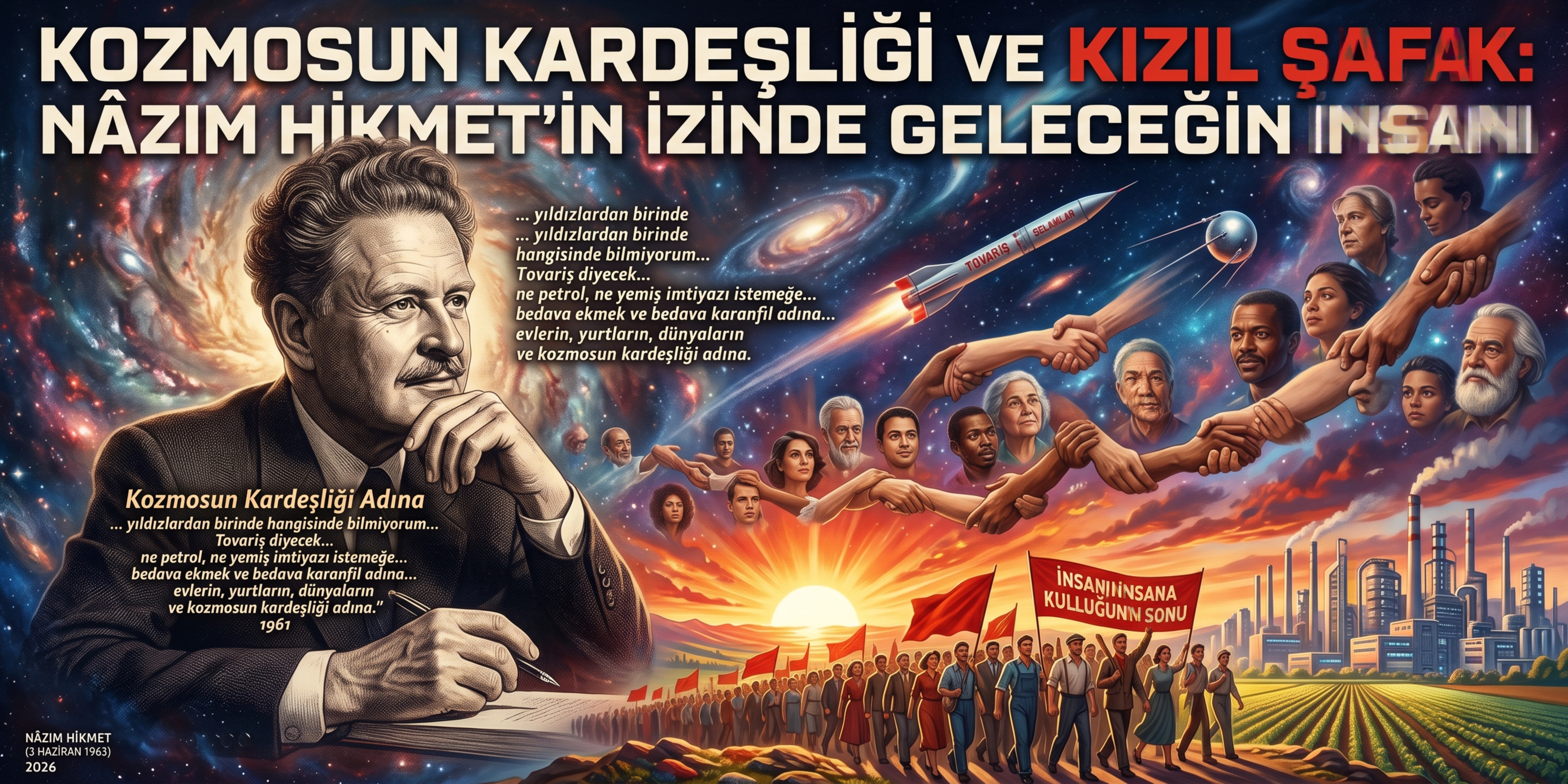
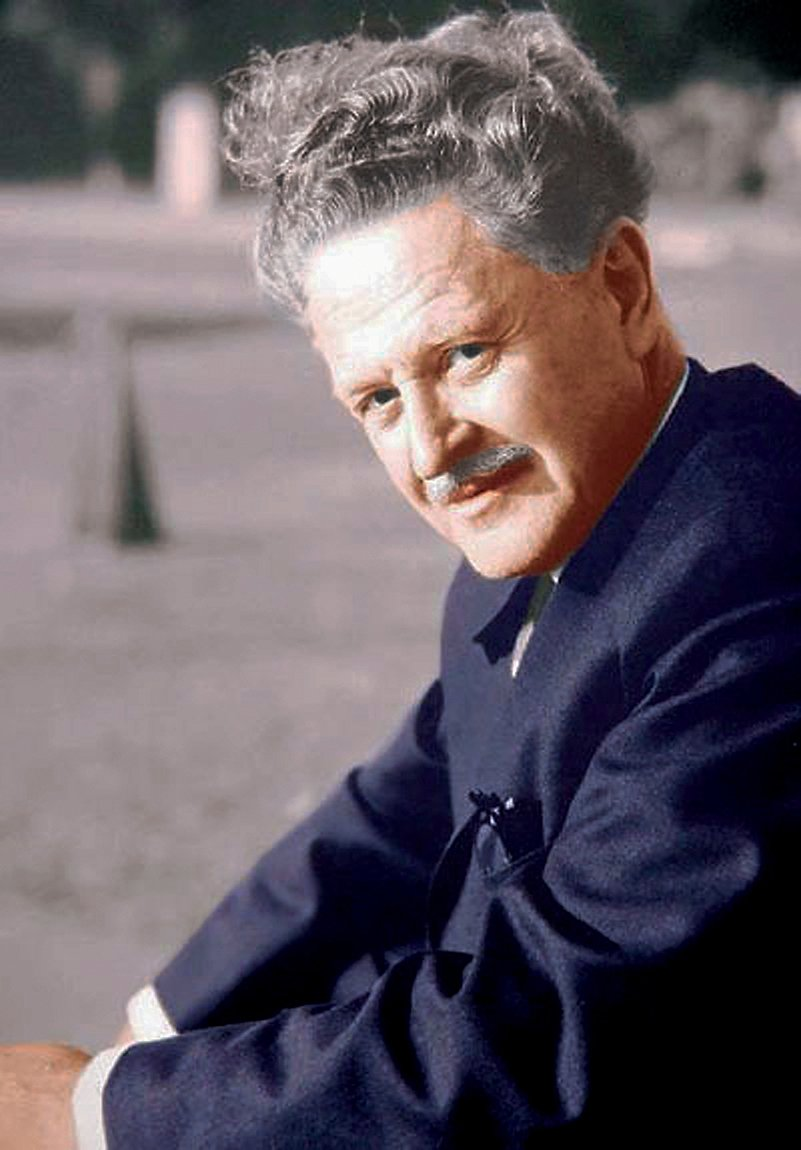
June 3, 2026. Another revolutionary notch in the dialectical flow of time... The great poet of our country and of the whole earth, our comrade Nâzım Hikmet—whose heart beat to the same rhythm as the gears of the factories and the turning of the stars—departed from among us 63 years ago today.
Today, capitalism, with the crises bursting from its rotting body, is dragging humanity and the planet toward an abyss; it is turning artificial intelligence and space technologies into new fields of exploitation, into new digital shackles. And it is precisely from the heart of this darkness that, as we gaze toward the future, Nâzım's voice thunders in our ears like a symphony. He was not merely an exile bearing the sufferings of the past; he was a proletarian futurist who heralded the dawn of
the "Human of the Future"—of a future that is classless, free of exploitation, and without borders.
Let us, then, plant his literary and political legacy like a torch on the path of those of us who will build tomorrow's world.
Nâzım Hikmet's Cosmic and Class Utopia: The "Human of the Future"
In Nâzım's imagination, the future is neither greedy proprietors unleashed from the chains of capital nor mechanized robotic masses. The human he envisions is the new human who has overcome contradictions through a revolutionary will, who has freed technology from being the whip of profit and devoted it to the common welfare of humanity, who is both firmly bound to the soil and has fixed their gaze upon the infinity of the galaxies. The human is the subject of dialectical history; they will make the machine their slave, emancipate labor, and conquer the stars.
A Guide for Those Marching Toward the Dawn: A Compilation of Epic Poetry
The Dialectical Frontier: Carrying Life to Dead Stars
Against capital's tendency to turn the world into rubble with nuclear threats and ecological massacres, this is the sharpest challenge of proletarian optimism.
The human of the future will choose not annihilation, but cosmic existence:
We are racing against ourselves, my rose. Either we will carry life to the dead stars, Or death will descend upon our world.
- Strontium 90 (1958)
The Longing for a Classless Society and Its Political Manifesto
The world of the future is a collective forest, freed from the shackles of property, where human beings do not exploit one another. That immense balance between the singular freedom of the individual and the fraternal well-being of society waves like a red flag in these lines:
Let the hand-doors close, never to open again, abolish humanity's bondage to one another—this is our invitation… To live, single and free like a tree and in brotherhood like a forest, this longing is ours…
- Invitation
The Architects of Tomorrow: Great Humanity
Despite the artificial darkness created by the capitalist class, this is faith in the absolute victory of the working class and the oppressed, who write history with their calloused hands. Great humanity will begin its tomorrow when it breaks the chain of exploitation:
On the land of great humanity there is no shadow, in its street a lantern, in its window glass, but great humanity has hope.
- Great Humanity
The Socialist Horizon Rising in Exile: The Baku Speeches
Although Nâzım was physically torn from his homeland, his heart beat at every moment with the struggle of the Turkish working class and youth. Those historic speeches he delivered in Baku in 1957 were not merely a yearning for home; they were an ideological barricade raised against imperialism, reaction, and capitalist exploitation. His voice, tearing through borders, became a political force that heralded to the people of his country tomorrow's socialist Turkey and its bright future.
To bear living witness to these epic moments, to carry the revolutionary fire in the poet's voice into the present, lend your ears to these treasures in the digital archives:
- Nâzım Hikmet's Baku University Speech (1957): You can witness that immense moment in which the poet addressed young minds, sent greetings to the people of Turkey, and cried out his unshakable faith in the inevitable victory of socialism, via the link NÂZIM HİKMET'İN Bakü Üniversitesindeki Konuşması 1957 - YouTube.
- The "Nâzım Hikmet in Baku" Archive: You can reach rare footage documenting a revolutionary's embrace with the masses, that futurist hope in his eyes, and his upright stance toward the world of the future at Nazım Hikmet Bakü'de - YouTube.
A Final Note to the Future Human: The Manifesto of Those Who March to the Stars
Comrades, builders of the future, proletarians of the space age!
Nâzım's philosophy commands us not to gaze melancholically at the sky through windows, but to rescue the stars from being the mining pits of the colonialist bourgeoisie. Today, against the arrogance of billionaires who privatize the heavens under the name of "space tourism," we must plant Nâzım's futurist flag in the depths of space. For the future human will conquer the universe not as the advertising billboard of monopolist corporations, but with the greeting of the earth's emancipated laborers.
Hear the poet's voice rising from the cosmos:
on one of the stars I don't know which one on one of the stars our envoy will speak with it "Tovarish (comrade)" will be the first word I know it will begin with this word "Tovarish," it will say, "I have come to your star neither to set up a base nor to ask for oil or fruit concessions. Nor am I here to sell Coca-Cola, I have come to greet you in the name of the earth's hopes, in the name of free bread and free carnations, in the name of happy labor and happy rest, in the name of being able to say 'everything for all of us, everywhere, in everything, except for the cheek of our beloved,' in the name of the brotherhood of homes, homelands, worlds, and the cosmos."
- In the Name of the Brotherhood of the Cosmos (1961)
Remember that, by the dialectic of nature, this world will surely one day grow physically cold and tumble like a cloud of cosmic dust into the boundless darkness. But what matters is that, before that great end arrives, humanity has inscribed upon the universe its own classless dawn—its science, its art, and its justice. We loved this world and what lies beyond it not for the sake of a merely selfish existence, but to free humanity from its chains:
This world will grow cold, a star among the stars, and one of the smallest at that, a speck of gilt on blue velvet, that is— I mean this enormous world of ours. This world will grow cold one day, not even like a heap of ice or a dead cloud, but it will roll like an empty walnut in the pitch-black, boundless dark. The pain of this must be felt even now, its sorrow must be felt even now. This world must be loved so much that you can say, "I have lived"…
- On Living (1947)
The materialist flow of history and the riverbeds are on our side. As we steer our engines into the blue, our course will always be the most distant stars, and our destination that horizon of absolute freedom where human beings no longer exploit one another!